
Flashy welcome offers look like free money until you hit the wagering wall. The good news: a few quick calculations can tell you whether a bonus is worth your time or a trap. Here is a practical, numbers-first method you can use before you ever click “claim.”
Step 1: Identify what the wagering applies to
Look for a line in the terms that says either ‘x times bonus’ or ‘x times bonus + deposit.’ That one difference can double the required play-through.
- Bonus only example: 35x bonus on a $200 bonus = $7,000 total wagering.
- Bonus + deposit example: 35x on $200 bonus + $200 deposit = 35 x $400 = $14,000.
Also check game weighting. Slots are often 100% contribution, but table games may count 10% or be excluded entirely. If your favorite games don’t contribute, the offer loses value fast.
Step 2: Estimate your expected cost
Expected cost is a simple way to compare bonuses across sites. Multiply the total wagering by the house edge (1 minus RTP). On a 96% RTP slot, the edge is 4%.
- Offer A: 100% up to $200, 35x bonus (bonus only). Wagering = 35 x $200 = $7,000. Expected cost ≈ $7,000 x 4% = $280.
- Offer B: 50% up to $100, 20x bonus (bonus only). Wagering = 20 x $100 = $2,000. Expected cost ≈ $2,000 x 4% = $80.
In this example, Offer B is the better pick even though the headline number looks smaller. If the terms say bonus + deposit, recalc accordingly and you may find an offer flips from decent to poor.
Step 3: Scan the fine print that changes the math
- Time limit: If you have 7 days and a busy week, you may rush bets and take worse odds.
- Bet cap: Many bonuses limit slot bets (e.g., $5 per spin). That stretches time and increases the chance you never reach wagering.
- Max cashout: Some promos cap winnings to a small multiple of the bonus. A hard ceiling can erase the upside of lucky runs.
- Game exclusions: Progressive jackpots and many table games usually do not count.
- Order of funds: If real money plays before bonus money, your deposit can be at risk without reducing wagering as much as you expect.
Quick rule of thumb
If the expected cost is more than half the bonus amount, the offer is usually not worth grinding unless you were going to play that volume anyway. Strong offers often come in with an expected cost around 30–40% of the bonus value or less, assuming you stick to high-RTP games that fully contribute.
Transparent terms beat big numbers
Clarity is a feature, not a perk. Sites that write plain-English terms and show examples of how wagering works save you from expensive surprises. One example is EnergyCasino, which is known for upfront promo conditions you can verify before opting in. Wherever you play, treat the promo page like a contract: read every line once, then re-check the contribution chart.
Two-minute table: how to compare offers
| Offer | Headline | Wagering Base | Total Wagering | Est. Cost (4% edge) |
|---|---|---|---|---|
| A | 100% up to $200 | Bonus only, 35x | $7,000 | $280 |
| B | 50% up to $100 | Bonus only, 20x | $2,000 | $80 |
Numbers like these make it obvious which path is smarter for your bankroll.
Real-world sanity checks
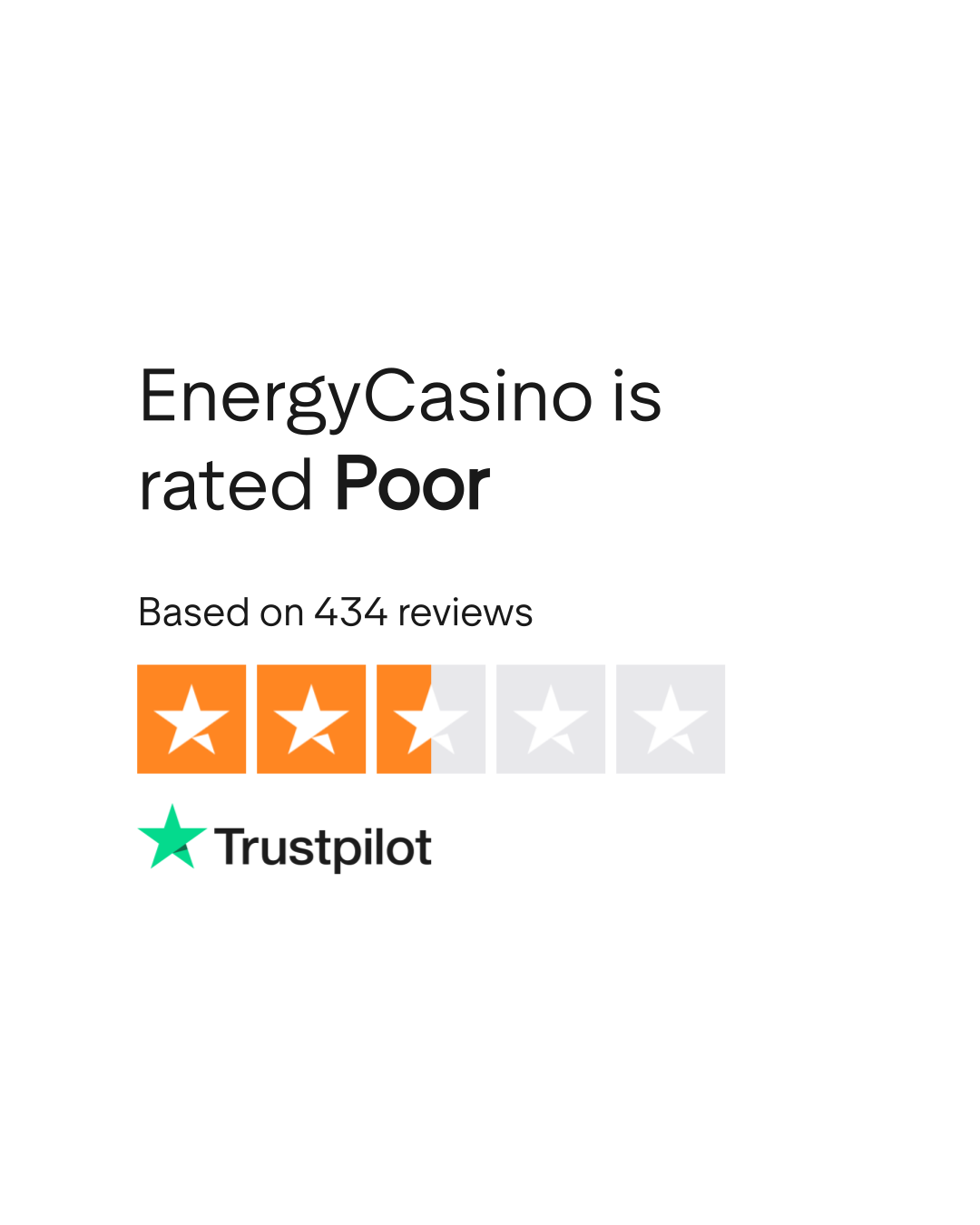
If you want an extra layer of confidence, look at player feedback before opting in. Star ratings are not gospel, but they can flag recurring issues like delayed withdrawals or confusing T&Cs.
Bonus strategy, not just bonus hunting
Use a small, fixed bankroll and stop when the math turns against you. This short video is a good refresher on pacing and discipline during a promo grind:
Takeaway: Do the three checks—wagering base, expected cost, and fine print—before you opt in. If the expected cost is sensible and the terms are clean, great. If not, skip it and wait for a better promo. Your bankroll will thank you.